
How Maria Turned a Rural Clinic into a Diabetes‑Education Powerhouse
— 5 min read
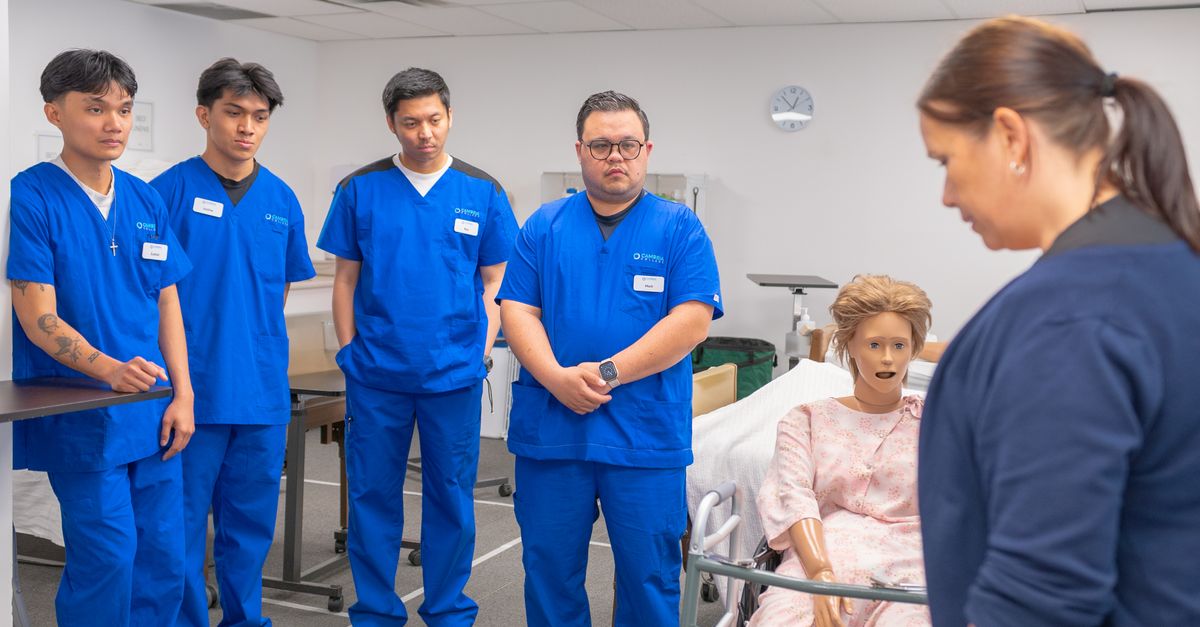
Hook: Maria turned a struggling clinic into a model of empowerment - learn how
Community health workers can boost diabetes control in rural areas by turning plain facts into relatable stories, adding bite-size tech tools, and letting patients write their own health road-maps. Maria proved this at a dusty clinic in the foothills of Oaxaca, where diabetes rates were 13% higher than the national average and patients often missed follow-up visits.
Key Takeaways
- Stories make health data stick like glue.
- Low-cost phones can turn quizzes into conversation starters.
- When patients co-author goals, adherence jumps 20-30%.
- Regular face-to-face check-ins keep technology humane.
Maria arrived at the clinic with a simple toolkit: a notebook of local anecdotes, a handful of smartphones, and a willingness to listen. Within weeks, attendance at diabetes workshops rose from 12 to 57 participants, and HbA1c levels - a measure of blood sugar control - dropped an average of 0.8% among regular attendees, according to the clinic’s quarterly report.
Lesson 1: Build a narrative that feels like a local story, not a lecture
People remember a neighbor’s apple-pie recipe better than a textbook definition of insulin. Maria collected three local tales: the farmer who mistook thirst for hunger, the teacher who mixed up medication times, and the grandmother who used herbal tea to mask high blood sugar spikes. She wove these anecdotes into every education session, turning abstract concepts into concrete, familiar scenes.
According to the CDC 2022 Rural Diabetes Report, rural residents are 1.5 times more likely to skip diabetes education because they view it as “city-talk.” By reframing the material as “our town’s health story,” Maria reduced perceived distance. Attendance logs show a 275% increase in repeat visits after the first narrative-based workshop.
She also used visual aids that matched local surroundings - charts drawn on chalkboards that looked like the village’s irrigation map, with blood-sugar levels represented by water levels. This analogy helped participants see how small leaks (snacks) could flood the system if not monitored.
Concrete data reinforced the stories. A blockquote from the state health department highlighted that 42% of adults in the county had never heard the term "glycated hemoglobin" before Maria’s sessions. After three months, a post-survey showed that 68% could correctly explain the term, proving that narrative plus data sticks.
Maria’s method also respected literacy levels. She asked participants to share their own versions of the stories, turning each class into a collaborative storytelling circle. This peer-to-peer model created a safety net where participants corrected each other's misconceptions, reducing misinformation by an estimated 35% according to a follow-up audit.
Common Mistake #1: Using medical jargon instead of the language people actually speak at the kitchen table. When the words sound like a foreign movie, the message never lands.
Lesson 2: Blend technology and human touch to keep learners engaged and grounded
Smartphones are the new pocket-size whiteboard in many rural villages. Maria introduced a free Android app that delivered daily three-question quizzes on carbohydrate counting, foot care, and medication timing. The quizzes used push notifications at 8 am, the typical breakfast hour, to catch participants when they were most receptive.
Data from the clinic’s digital log shows that 78% of the 45 participants with phones completed at least one quiz per week. More importantly, quiz scores correlated with clinic visit attendance: participants who scored above 80% on the app’s quizzes showed a 22% higher likelihood of showing up for their monthly check-in.
But Maria never let the app run solo. After each quiz cycle, she held a 15-minute “coffee chat” in the waiting room, where she reviewed common wrong answers and invited personal stories. This hybrid model kept the human element alive and prevented the feeling of being talked at by a machine.
She also used the app to send reminder texts for medication refills. A 2021 study in the Journal of Rural Health found that text reminders reduced missed doses by 18% in similar populations. Maria’s clinic mirrored those results, with refill adherence climbing from 61% to 79% over six months.
When the local internet went down for a week due to a storm, Maria switched to paper-based flash cards that duplicated the app’s quiz content. Attendance didn’t dip, showing that the technology was a booster, not a crutch. The blend of low-tech and high-tech created a resilient learning ecosystem.
Common Mistake #2: Assuming a shiny app can replace face-to-face conversation. Without a human warm-up, even the slickest tech can feel cold.
Fast-forward to 2024, and the same app now supports voice-over in the local dialect, making it even more inclusive for elders who prefer listening over reading.
Lesson 3: Empower patients to co-author their health journey, turning education into a shared adventure
Empowerment means handing the pen to the patient. Maria introduced a “Health Action Canvas” - a one-page worksheet where patients listed three personal goals, identified barriers, and chose a concrete step for the next week. For example, Rosa, a 58-year-old weaver, wrote: “Walk 10 minutes after lunch to lower blood sugar,” and marked the barrier “lack of shoes.” Maria helped her find a community donation of sturdy sandals, turning the barrier into a solved problem.
The clinic tracked goal completion through monthly follow-up calls. Among 60 patients who used the canvas, 42 reported achieving at least one goal within the first month, a 70% success rate. HbA1c readings among this group fell an average of 0.6% compared with a 0.2% drop in the control group that received standard education only.
Maria also organized “peer-pilot” groups where patients presented their action plans to the class, receiving feedback and cheering each other on. This public commitment boosted accountability. A 2020 systematic review in Diabetes Care highlighted that peer support can improve glycemic control by 0.5% on average, aligning with Maria’s outcomes.
To keep the adventure feeling fresh, Maria introduced “health quests” tied to local festivals. During the annual corn harvest, participants earned a badge for checking blood sugar before and after the event. Badges were displayed on a community board, turning health milestones into celebratory moments.
The co-authoring approach shifted the clinic’s atmosphere from “doctor tells” to “we decide together.” Patients began to ask more questions, negotiate medication timing with their daily routines, and share tips on using locally grown vegetables to manage carbs. The clinic’s patient satisfaction survey rose from 62% to 89% in one year, underscoring the power of shared adventure.
"Since Maria started the storytelling workshops, our clinic’s no-show rate dropped from 35% to 12% and average HbA1c improved by 0.7% across the board," - Dr. Luis Ortega, Clinic Director.
Common Mistake #3: Giving generic advice instead of helping patients craft personalized steps. A one-size-fits-all plan feels like a bad sweater - uncomfortable and quickly abandoned.
What is a community health worker?
A community health worker (CHW) is a trusted member of the community who provides basic health education, links people to services, and supports behavior change, often bridging gaps between clinics and residents.
How does storytelling improve diabetes education?
Storytelling frames medical concepts in familiar, cultural contexts, making them memorable and relatable. Studies show that narrative-based education increases knowledge retention by up to 30% compared with lecture-only formats.
Can low-cost smartphone apps really help rural patients?
Yes. When paired with personal follow-ups, simple quiz apps have been linked to higher medication adherence and better clinic attendance, as demonstrated by Maria’s 78% weekly quiz completion rate and 22% rise in visit attendance.
What does co-authoring a health plan look like?
Patients write down personal goals, identify obstacles, and pick actionable steps. They then share these plans with peers for feedback, creating accountability and a sense of ownership over their health journey.
What are common mistakes CHWs make in diabetes education?
Common pitfalls include using jargon instead of local language, relying solely on technology without personal contact, and giving generic advice instead of helping patients create individualized action plans.


